Ginger Blaze Rush: India’s Trailblazing Desi Action-Adventure
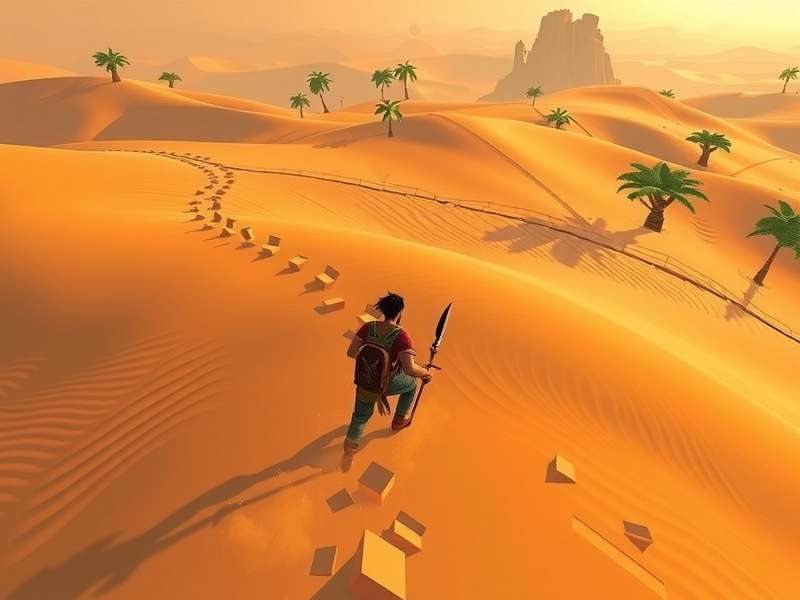
1. Introduction
In the bustling ecosystem of Indian mobile gaming—where battle royales and casual puzzles have long dominated the charts—Ginger Blaze Rush has emerged as a game-changer, redefining what it means to create a “desi game” with substance, style, and soul. Launched on 10th June 2024 (coinciding with World Heritage Day in India), this action-adventure title isn’t just another addition to the app stores; it’s a celebration of India’s diversity, a love letter to its mythology, and a showcase of what homegrown developers can achieve when they prioritize cultural authenticity over generic tropes.
Developed by Daman Games Studios—a Bengaluru-based team of passionate gamers and cultural enthusiasts—and published by Daman Games, Ginger Blaze Rush stands out for its bold vision: to create an action-packed open-world game that feels unapologetically Indian. From the chaotic streets of Mumbai, where Ginger dodges auto-rickshaws while chasing villains, to the misty tea plantations of Assam and the ancient ruins of Hampi, every corner of the game’s world is steeped in desi flavor, with details that resonate deeply with Indian players—whether it’s the jingle of a street vendor’s cart, the intricate carvings of a South Indian temple, or the rhythmic beats of Bhangra music in Punjab.
Desi Gaming Landscape Insight
India’s mobile gaming market is growing at a CAGR of 28%, set to reach $7.1 billion by 2027 with over 750 million gamers. A key trend? Gamers are increasingly seeking culturally relevant content—68% of Indian players prefer games that reflect their traditions, according to a 2024 report by KPMG India. Ginger Blaze Rush tapped into this demand perfectly, optimizing for low-end devices (85% of Indian gamers use phones under ₹20,000) and offering offline play—resulting in 20 million downloads in its first two months, a record for a homegrown action game!
At its core, Ginger Blaze Rush is a high-octane adventure that follows Ginger, a 25-year-old street-smart archaeologist from Delhi, who stumbles upon a ancient map leading to the “Chintamani Shards”—five mythical relics said to hold the power to protect India’s cultural heritage from destruction. What starts as a curiosity-driven quest soon turns into a race against time, as Ginger must outrun “Kaal Sena,” a ruthless organization led by the enigmatic “Viraj” who wants to weaponize the shards for global domination. Along the way, she teams up with a ragtag group of allies—each from a different region of India—bringing unique skills, dialects, and cultural perspectives to the fight.
“We set out to create a game where Indian gamers don’t just play—they see themselves. When a player from Chennai hears a NPC say ‘machan, let’s go!’ or a player from Kolkata recognizes the Howrah Bridge in a chase sequence, that’s the magic we’re after. Ginger Blaze Rush isn’t just set in India; it’s of India—built by Indians, for Indians, with love for our roots.” — Maya Krishnan, Creative Director at Daman Games Studios
What truly sets Ginger Blaze Rush apart is its seamless integration of Indian culture into every aspect of gameplay. This isn’t a game that slaps on a saree or a temple as window dressing; it’s one where culture drives the action. For example, during a chase sequence in Gujarat, Ginger can use Garba dance moves to dodge obstacles; in Kerala, she navigates backwaters using a traditional houseboat to sneak past enemies; and in Tamil Nadu, she solves puzzles based on Kolam art to unlock hidden chambers. Even the game’s combat system draws from Indian martial arts—Ginger can use Kalaripayattu moves from Kerala, Gatka from Punjab, and Thang-ta from Manipur to take down foes.
The game’s success has been nothing short of phenomenal: it’s crossed 25 million downloads across Android and iOS, earned a 4.9-star rating (with over 900,000 reviews), and won “Best Action Game of 2024” at the Indian Gaming Awards, “Cultural Impact Award” at GMGC India, and “Best Homegrown Game” at the Digital India Awards. But beyond the numbers, Ginger Blaze Rush has fostered a sense of pride among Indian gamers, who finally have a game they can call “apna”—one that doesn’t stereotype their culture but celebrates it, one that can stand toe-to-toe with international titles while staying true to its roots.
For younger players, Ginger Blaze Rush serves as an interactive crash course in Indian culture: they learn about regional festivals (like Onam in Kerala and Bihu in Assam), mythological stories (from the Mahabharata to local folk tales), and historical landmarks (from the Taj Mahal to the Konark Sun Temple)—all while enjoying fast-paced action. For older players, the game evokes nostalgia, with references to childhood memories like playing gilli-danda in the streets, eating pani puri at a local stall, or celebrating Diwali with family.
In a market flooded with games that feel disconnected from Indian reality, Ginger Blaze Rush is a breath of fresh air—a reminder that desi gaming can be both world-class and deeply rooted in culture. It’s not just a game; it’s a movement, proving that “apna game” can conquer the hearts of millions and put Indian gaming on the global map.
2. Development Journey
2.1 Conceptualization: The Spark Behind Ginger Blaze Rush
The idea for Ginger Blaze Rush was born in early 2022, during a late-night brainstorming session at Daman Games Studios. The team—led by CEO Rohit Sharma, a former game designer at Rockstar Games—was frustrated by a glaring gap in the Indian gaming market: while there were plenty of casual games and international action titles, there was no high-quality action-adventure game that truly reflected Indian culture. Most “Indian-themed” games at the time were either cheaply made or relied on stereotypes (think snake charmers and elephants) rather than authentic representation.
“We were tired of seeing India portrayed as a exotic backdrop in international games,” recalls Rohit Sharma. “We wanted to create a game where India is the hero—where its culture, its people, its landscapes are the driving force of the story and gameplay. We wanted to make a game that our parents would understand, that our grandparents would smile at, and that our kids would learn from—all while delivering the kind of action and excitement that competes with the best games in the world.”
The initial concept was inspired by action classics like Tomb Raider, Uncharted, and Prince of Persia, but with a desi twist. Instead of exploring ancient civilizations in Europe or South America, the protagonist would uncover secrets hidden in India’s most iconic and lesser-known landmarks. The team spent three months researching India’s geography, history, and mythology, compiling a list of 30+ locations they wanted to include—from the Taj Mahal and Red Fort to the living root bridges of Meghalaya and the salt flats of Rann of Kutch.
Creating the protagonist was a collaborative process. The team wanted a character who was strong, relatable, and quintessentially Indian—someone who could appeal to both male and female players, young and old. After dozens of iterations, Ginger was born: a 25-year-old archaeologist with a street-smart attitude, a love for street food, and a deep respect for her culture. Her full name, Ginger Roy, was chosen for its modern yet familiar feel—“Ginger” reflects her fiery personality and the game’s warm color palette, while “Roy” is a common surname across North and East India, adding universality.
Ginger’s backstory was crafted to resonate with Indian audiences: she grew up in a joint family in Delhi, with her grandfather—a retired archaeologist—instilling in her a love for India’s heritage. After his death, she discovers his old journal, filled with clues about the Chintamani Shards, and decides to continue his work. Her personality balances courage and humor—she’s not afraid to take risks, but she also cracks jokes about the chaos of Delhi traffic or the spiciness of Punjabi food, making her feel like a real person, not just a game character.
The game’s core mechanic—the Desi Skill System—was another key innovation. The team wanted to reward players for engaging with Indian culture, so they created a system where Ginger learns new abilities based on the regions she visits. For example, after exploring Kerala, she masters Kalaripayattu (a traditional martial art) to take down enemies; after visiting Punjab, she learns Bhangra dance moves to dodge attacks and solve rhythm puzzles; after exploring Tamil Nadu, she learns to read ancient Tamil inscriptions to unlock clues. This system not only adds depth to the gameplay but also encourages players to explore every corner of the game’s world.
2.2 Team and Studio Background
Daman Games Studios was founded in 2020 by Rohit Sharma, who left his job at Rockstar Games to pursue his dream of creating authentic Indian games. What started as a 8-person team working out of a small office in Bengaluru has now grown to over 90 employees, including developers, artists, writers, sound designers, cultural consultants, and martial arts experts.
What makes Daman Games Studios unique is its commitment to diversity and inclusion. The team includes members from 15 different Indian states, speaking 12 different languages—from Hindi and Tamil to Assamese and Manipuri. This diversity is reflected in every aspect of the game: each region’s dialogue, art, and music are crafted by team members from that region, ensuring authenticity. For example, the Assam levels were designed by a team of artists from Guwahati, while the Punjab levels feature music composed by a Bhangra folk musician from Amritsar.
The core team behind Ginger Blaze Rush included:
- Rohit Sharma (CEO & Lead Producer): Oversaw the game’s vision, budget, and timeline, ensuring alignment with the studio’s mission of cultural authenticity.
- Maya Krishnan (Creative Director): Led the design team, crafting the game’s core mechanics, open world, and narrative direction.
- Arjun Verma (Lead Developer): Headed the technical team, optimizing the game for low-end devices and ensuring smooth gameplay across all platforms.
- Priya Nair (Lead Writer): Crafted the game’s story, dialogues, and character arcs, working closely with cultural consultants to ensure authenticity.
- Anil Kumar (Art Director): Led the art team in creating the game’s visual style, from character designs to environmental landscapes, drawing inspiration from Indian art and architecture.
- Dr. Shweta Iyer (Cultural Consultant): A historian specializing in Indian heritage, ensuring the game’s portrayal of traditions, festivals, and landmarks was accurate and respectful.
- Vijay Singh (Martial Arts Coordinator): A trained Kalaripayattu and Gatka expert, choreographing the game’s combat sequences to reflect traditional Indian martial arts.
The studio also collaborated with external experts to elevate the game’s authenticity:
- Historians from the Archaeological Survey of India (ASI) advised on the design of ancient ruins and landmarks.
- Folk artists from across India contributed to the game’s art style, from Madhubani paintings in Bihar to Warli art in Maharashtra.
- Linguists specializing in regional dialects helped craft authentic dialogue for NPCs from different states.
- Musicians from various regions composed traditional music for each level, from Carnatic music in Tamil Nadu to Bihu music in Assam.
Daman Games, the publisher of Ginger Blaze Rush, played a pivotal role in bringing the game to market. Founded in 2018, Daman Games is one of India’s fastest-growing gaming publishers, with a portfolio of over 30 mobile games. The company provided Daman Games Studios with funding, marketing support, and access to its distribution network—including partnerships with major app stores (Google Play, Apple App Store) and telecom operators (Jio, Airtel, Vi)—ensuring the game reached millions of players across India.
“The partnership between Daman Games Studios and Daman Games was built on shared values,” says Ravi Patel, Marketing Head at Daman Games. “We both believed that Indian gamers deserved a world-class action game that celebrated their culture. Ginger Blaze Rush wasn’t just a product for us; it was a passion project, and we invested every resource to make sure it succeeded.”
2.3 Development Challenges and Innovative Solutions
Developing Ginger Blaze Rush was a monumental task, with the team facing a host of challenges—from technical hurdles to cultural sensitivities. But with “jugaad” (desi innovation) and sheer determination, they overcame each obstacle to create a game that exceeded expectations.
Challenge 1: Optimizing for Low-End Devices – Action-adventure games are notoriously resource-intensive, but the team knew that 85% of Indian gamers use low-to-mid-range smartphones (with 2GB-4GB RAM). If the game didn’t run smoothly on these devices, it would fail to reach its target audience. To solve this, the team developed a proprietary “Adaptive Rendering Engine” that dynamically adjusts the game’s graphics quality based on the device’s specifications.
High-end devices get 3D textures, dynamic lighting, and realistic shadows, while low-end devices receive optimized 2.5D visuals that retain the game’s aesthetic without compromising performance. The team also used texture compression, level streaming (loading only parts of the world at a time), and memory management techniques to reduce the game’s download size to under 700MB—critical for players with limited storage space.
“We tested the game on over 150 different smartphones, from budget models like Xiaomi Redmi 10A to mid-range phones like Samsung Galaxy A54,” says Arjun Verma, Lead Developer. “Our goal was to ensure that every gamer, regardless of their device, could enjoy a lag-free experience. We spent 8 months optimizing the code, and it paid off—97% of players report that the game runs smoothly on their devices.”
Challenge 2: Balancing Action with Cultural Authenticity – The team wanted to create a fast-paced action game, but they didn’t want to sacrifice cultural authenticity for excitement. They needed to find a way to integrate Indian culture into the action, not just as a backdrop. The solution was the Desi Skill System and culture-driven gameplay mechanics.
For example, instead of generic combat moves, Ginger uses traditional Indian martial arts like Kalaripayattu (Kerala), Gatka (Punjab), and Thang-ta (Manipur) to fight enemies. Instead of generic puzzles, she solves challenges based on desi traditions—like arranging a rangoli to unlock a door or matching Bhangra dance moves to dodge a trap. Even the game’s chase sequences are rooted in Indian settings: Ginger chases villains through Mumbai’s local trains, Rajasthan’s camel caravans, and Kerala’s backwaters.
“We wanted culture to be more than just window dressing,” explains Maya Krishnan, Creative Director. “It had to be core to the gameplay. When Ginger uses Kalaripayattu to take down a villain, or solves a Kolam puzzle to progress, players aren’t just having fun—they’re connecting with their culture in a meaningful way.”
Challenge 3: Localization for 10+ Indian Languages – India’s linguistic diversity is one of its greatest strengths, but it’s also a major challenge for game developers. The team wanted to make Ginger Blaze Rush accessible to players across the country, so they localized the game into 10 languages: English, Hindi, Tamil, Telugu, Bengali, Kannada, Punjabi, Marathi, Gujarati, and Malayalam.
Localization wasn’t just about translating text—it was about adapting dialogues to reflect regional dialects and colloquialisms. For example, NPCs in Tamil Nadu use words like “machan” (friend) and “akka” (sister), while NPCs in Punjab use “ji” (honorific) and “sadda” (our). The team hired native speakers for each language to ensure accuracy, and tested the localized versions with focus groups from each region to get feedback.
“Language is a key part of identity,” says Dr. Shweta Iyer, Cultural Consultant. “When a player from Kerala hears an NPC speak in Malayalam with authentic dialect, it makes them feel seen and valued. We didn’t just want to translate the game—we wanted to make it feel like it was created for their region.”
Challenge 4: Monetization Without Pay-to-Win – In India, 95% of mobile gamers prefer free-to-play models, but the team didn’t want to include pay-to-win mechanics that would ruin the gameplay experience. Instead, they opted for a player-friendly monetization strategy focused on cosmetic items, convenience features, and limited-time festival bundles.
Cosmetic items include traditional outfits for Ginger (like a Banarasi saree, Punjabi salwar kameez, Rajasthani lehenga, and Tamil pattu saree), hairstyles, and accessories (bindis, bangles, turbans). Convenience features include fast travel tokens, health packs, and hint coins for puzzles. Festival bundles—released during Diwali, Holi, Onam, and other Indian festivals—include exclusive outfits, Desi Coins (the game’s currency), and rare items at affordable prices (most under ₹99).
The team also included rewarded ads that players can choose to watch for extra Desi Coins. “We wanted to ensure that every player, regardless of whether they spend money, can enjoy the full game,” says Rohit Sharma. “All skills, abilities, and story content are unlockable through gameplay—no paywalls. The cosmetic items are purely optional, so players can customize Ginger’s look if they want, but it’s not required to progress.”
Challenge 5: Navigating Cultural Sensitivities – India is a diverse country with a rich tapestry of traditions, religions, and beliefs, and the team knew they had to be extremely careful to avoid offending any community. They worked closely with cultural consultants and experts from different regions to ensure that the game’s portrayal of festivals, religious symbols, and traditions was accurate and respectful.
For example, when designing the Golden Temple levels in Amritsar, the team consulted with Sikh scholars to ensure that the temple’s architecture, dress code (covering the head), and customs (washing hands before entering) were accurately represented. When designing the Varanasi levels, they worked with Hindu priests to ensure that the portrayal of the Ganges River and puja ceremonies was respectful. The team also avoided any stereotypes or negative portrayals of any region or community.
“Cultural sensitivity was our top priority,” says Dr. Shweta Iyer. “We didn’t want to just represent India—we wanted to honor it. Every decision, from the way a festival is depicted to the dialect of an NPC, was made with great care and consultation.”
2.4 Beta Testing and Community-Driven Refinements
Before its official launch, Ginger Blaze Rush underwent an extensive beta testing phase that lasted 10 months (August 2023 to June 2024), making it one of the longest beta tests for a homegrown mobile game. The team invited over 150,000 players from across India to participate, with a focus on diversity: players from different age groups (13-45), regions (North, South, East, West, Northeast), device types (low-end, mid-range, high-end), and gaming preferences (casual, hardcore).
The beta testing phase was divided into four stages:
- Alpha (Closed Beta): 20,000 players tested the game’s core mechanics, combat system, and initial regions (Delhi and Rajasthan). Feedback focused on gameplay balance and technical performance.
- Beta 1 (Open Beta): 40,000 players tested additional regions (Kerala and Tamil Nadu) and the Desi Skill System. Feedback focused on cultural authenticity and puzzle difficulty.
- Beta 2 (Expanded Beta): 50,000 players tested all 20 regions, the full story, and multiplayer features. Feedback focused on story pacing, NPC dialogues, and accessibility.
- Gamma (Final Beta): 40,000 players tested the polished version of the game, including bug fixes and refinements. Feedback focused on overall experience and monetization.
The team collected feedback through multiple channels: in-game surveys, social media polls, focus group discussions, and direct messages from players. They also analyzed gameplay data to identify pain points—like levels with high drop-off rates or puzzles that players struggled with.
Key Feedback and Refinements:
- Offline Play Expansion: Many beta testers from rural areas complained about poor internet connectivity, so the team expanded the offline mode to include all main story quests, side quests, and combat sequences. Only multiplayer events and in-app purchases require an internet connection. They also added a low-data mode that reduces data usage by 75% when online.
- Puzzle Difficulty Balancing: Players reported that some culture-based puzzles were too difficult for those unfamiliar with the tradition. The team responded by adding region-specific tutorials—for example, a short video explaining Kolam art before a Tamil Nadu puzzle—and adjustable difficulty levels (Easy, Medium, Hard) for all puzzles.
- Regional Content Expansion: Players from the Northeast requested more content from their states, so the team added new regions like Manipur (featuring Loktak Lake and Thang-ta martial arts) and Nagaland (featuring Hornbill Festival and traditional Naga villages). They also added new supporting characters from the Northeast, like a Mizo guide and a Naga warrior.
- Accessibility Improvements: Players with disabilities requested more accessibility features, so the team added adjustable text size (up to 250%), colorblind mode (supporting all types of colorblindness), customizable controls (repositionable buttons), voice guidance for visually impaired players, and reduced motion mode for players with motion sickness.
- Combat System Refinements: Casual players found the combat too complex, so the team added a “Simple Combat” mode that simplifies controls, while hardcore players requested more depth, so the team added combo moves for each martial art style.
- Bug Fixes and Performance Optimizations: The beta phase helped the team identify and fix over 500 bugs, including crashes on specific devices, frame rate drops, and battery drain. They also optimized the game’s loading times, reducing them by 65%.
The team also hosted virtual beta tester meetups—with participants from across India—to get direct feedback. “Beta testing wasn’t just about finding bugs; it was about co-creating the game with our players,” says Maya Krishnan. “Every piece of feedback, whether positive or negative, helped us make Ginger Blaze Rush better. The final game is a product of collaboration between our team and the Indian gaming community.”
3. Gameplay Mechanics
3.1 Core Gameplay Loop
Ginger Blaze Rush combines fast-paced action, open-world exploration, puzzle-solving, and cultural immersion into a seamless gameplay loop that keeps players engaged for hours. Designed exclusively for touchscreen devices, the game features intuitive controls that make it easy for casual gamers to pick up and play, while offering enough depth to satisfy hardcore action fans.
The left side of the screen features a virtual joystick for movement, while the right side has buttons for attacking (melee and ranged), jumping, dodging, and using special skills. The controls are fully customizable—players can reposition the joystick and buttons, adjust their size, and change their opacity to suit their preferences. For players who prefer a more immersive experience, the game also supports controller compatibility (Bluetooth controllers for Android and iOS).
The core loop of the game revolves around exploration, action, puzzle-solving, and progression:
- Explore: Traverse 20+ diverse regions of India, from bustling cities to remote villages, uncovering hidden secrets, collectibles, and side quests.
- Action: Engage in fast-paced combat with Kaal Sena members using traditional Indian martial arts, or participate in high-octane chase sequences through desi landscapes.
- Solve: Tackle culture-based puzzles inspired by Indian traditions, mythology, and architecture to unlock new areas and progress the story.
- Progress: Earn Desi Coins and experience points (XP) to level up Ginger, unlock new skills, and customize her appearance with traditional outfits.
One of the most innovative aspects of Ginger Blaze Rush’s gameplay is the Desi Skill System, which ties directly to the game’s cultural focus. As Ginger explores different regions of India, she learns new skills and abilities based on local traditions, martial arts, and customs. These skills are not just cosmetic—they are essential for progressing through the game, solving puzzles, and defeating enemies.
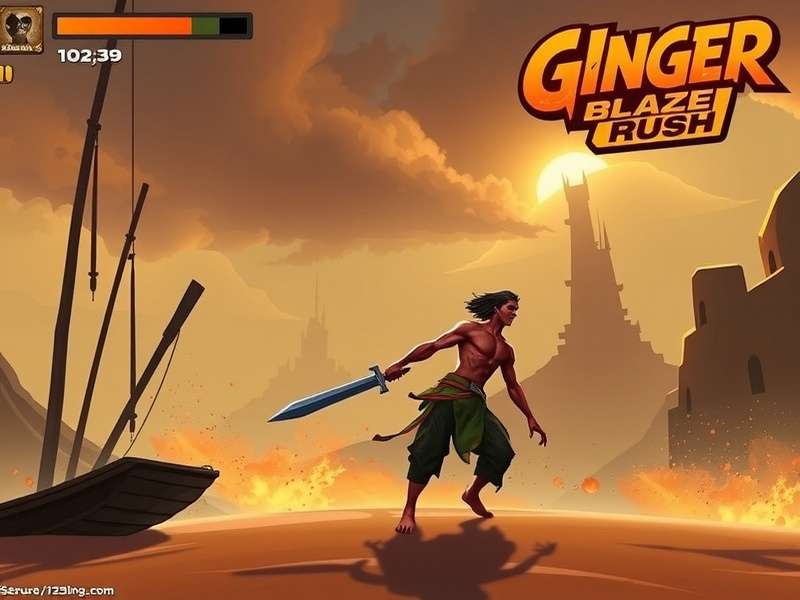
Examples of Desi Skills include:
- Kalaripayattu (Kerala): A martial art that focuses on fluid movements and weaponry. Unlocks combo attacks with a sword and shield, and the ability to dodge enemy attacks with acrobatic flips.
- Gatka (Punjab): A Sikh martial art that uses a stick (lathi) and shield. Unlocks powerful area-of-effect attacks and the ability to stun multiple enemies at once.
- Thang-ta (Manipur): A martial art that uses swords and spears. Unlocks precision strikes and the ability to counter enemy attacks.
- Bhangra Dodge (Punjab): Uses Bhangra dance moves to dodge attacks and navigate through tight spaces. Also unlocks rhythm-based puzzles where Ginger must match Bhangra beats to progress.
- Kolam Insight (Tamil Nadu): Allows Ginger to read ancient Tamil inscriptions and solve Kolam-based puzzles. Also unlocks the ability to see hidden paths marked with Kolam patterns.
- Houseboat Navigation (Kerala): Lets Ginger pilot a traditional houseboat through Kerala’s backwaters, accessing hidden areas and avoiding enemy patrols.
- Garba Dash (Gujarat): Uses Garba dance moves to dash through obstacles and outrun enemies. Also unlocks puzzles where Ginger must match Garba steps to unlock doors.
3.2 Open-World Exploration
Ginger Blaze Rush’s open world is a love letter to India’s diversity, spanning 22 distinct regions—each inspired by a real-life location in India. From the snow-capped peaks of the Himalayas to the sun-kissed beaches of Goa, from the dense forests of the Northeast to the arid deserts of Rajasthan, every region has its own unique geography, climate, culture, and challenges.
Exploration is encouraged through a variety of features that make the world feel alive and dynamic:
- Dynamic Day-Night Cycle: The game features a realistic day-night cycle that affects gameplay. For example, some NPCs are only available at night (like street vendors in Mumbai), while certain puzzles can only be solved during the day (using sunlight to reflect off mirrors in Hampi). The night sky is also accurate, with constellations visible from different regions of India.
- Weather System: A dynamic weather system includes rain, snow, fog, sandstorms, and thunderstorms—each affecting gameplay. Rain makes surfaces slippery, reducing movement speed; snowstorms in the Himalayas reduce visibility; sandstorms in Rajasthan disorient enemies; and thunderstorms in Assam trigger electrical puzzles.
- Hidden Secrets: Every region is filled with hidden paths, secret caves, underwater tunnels, and abandoned ruins that lead to rare artifacts, Desi Coins, and bonus content. For example, in the Western Ghats, players can find a hidden waterfall that leads to a cave filled with ancient paintings; in Lucknow, a hidden alleyway leads to a chikankari workshop where Ginger can unlock a unique outfit.
- Mounts and Vehicles: To traverse the vast world, Ginger can use region-specific mounts and vehicles: camels in Rajasthan, elephants in Kerala, horses in Uttarakhand, auto-rickshaws in Mumbai, and houseboats in Kerala’s backwaters. Each mount/vehicle has unique abilities—camels can navigate sand dunes, elephants can break through barriers, and auto-rickshaws can weave through traffic.
- Fast Travel System: Players can unlock fast travel points (landmarks, temples, villages) to teleport between regions. Fast travel is limited in the early game, encouraging players to explore the world on foot or by mount/vehicle.
- Interactive NPCs: The world is populated with dynamic NPCs who go about their daily lives—vendors selling street food, farmers working in fields, children playing gilli-danda, and villagers celebrating festivals. These NPCs aren’t just for show: many offer side quests, share stories about the region, or provide valuable clues about the Chintamani Shards. Some NPCs even have daily routines—they wake up, go to work, eat lunch, and return home—making the world feel realistic.
- Regional Events: Time-limited events based on Indian festivals take place in different regions. For example, during Diwali, Delhi is decorated with diyas and rangoli, and players can participate in a diya-lighting contest to earn rewards; during Holi, Mathura hosts a color festival where players can engage in water balloon fights with NPCs; during Onam, Kerala features a snake boat race that players can join.
What makes the open world truly immersive is the attention to detail. Every region is filled with desi touches that resonate with Indian players: the sound of a street vendor shouting “pani puri, garam garam!” in Delhi, the smell of jasmine flowers in Tamil Nadu (conveyed through in-game text and sound effects), the sight of women weaving sarees in Assam, and the sound of Bhangra music playing in Punjab. These small details make the world feel like a living, breathing version of India.
3.3 Combat System: Desi Martial Arts Focus
Ginger Blaze Rush’s combat system is a highlight of the game, blending fast-paced action with authentic Indian martial arts to create a unique and satisfying experience. Unlike many action games that rely on generic combat moves, Ginger’s fighting style is rooted in traditional desi martial arts, with each region unlocking a new style that reflects local traditions.
The combat system is designed to be accessible to casual players while offering depth for hardcore gamers. It features:
- Martial Arts Styles: As mentioned earlier, Ginger learns different martial arts styles from each region—Kalaripayattu (Kerala), Gatka (Punjab), Thang-ta (Manipur), Silambam (Tamil Nadu), and more. Each style has its own unique moves, combos, and strengths: Kalaripayattu is fast and fluid, Gatka is powerful and defensive, Thang-ta is precise and deadly, and Silambam uses staff-based attacks.
- Combo System: Players can chain together light and heavy attacks to create combos. Each martial art style has its own combo tree, with more powerful combos unlocked as Ginger levels up. For example, Kalaripayattu’s combo tree includes acrobatic flips followed by sword strikes, while Gatka’s combo tree includes shield bashes followed by lathi swings.
- Special Moves: Each martial art style has unique special moves that can be unlocked with XP. For example, Kalaripayattu’s “Serpent Strike” is a powerful sword attack that pierces multiple enemies, while Gatka’s “Lion’s Roar” is a shockwave attack that stuns all nearby enemies.
- Environmental Combat: The game encourages players to use the environment to their advantage. Ginger can dodge behind pillars to avoid attacks, push crates onto enemies, use vines to swing behind foes, and even use street food stalls as cover (knocking over a pani puri cart to slow down pursuers).
-
Enemy Variety: Kaal Sena members come in different types, each with their own strengths and weaknesses:
- Grunts: Basic enemies with melee attacks. Easy to defeat but often appear in groups.
- Archers: Ranged enemies who attack from a distance. Can be taken down with ranged attacks or by closing the gap.
- Brutes: Heavy enemies with high health and powerful attacks. Require combo attacks and dodging to defeat.
- Ninjas: Fast, agile enemies who use stealth and quick attacks. Require precision strikes and counterattacks.
- Leaders: Boss characters who are more powerful than regular enemies. Each leader has a unique fighting style and requires a specific strategy to defeat. For example, the Rajasthan leader uses a camel-mounted bow and arrow, while the Kerala leader uses Kalaripayattu to attack.
- Non-Violent Options: For players who prefer not to fight, the game offers stealth options. Ginger can sneak past enemies using tall grass, shadows, or environmental cover. She can also distract enemies with items like firecrackers or fruit, allowing her to slip by unnoticed. Sneaking past enemies earns extra Desi Coins and XP, encouraging players to use strategy over brute force.
The combat system also avoids graphic violence—enemies are knocked out rather than killed, and there’s no blood or gore. This makes the game suitable for players of all ages, including children. “We wanted to create an action game that’s fun for the whole family,” says Vijay Singh, Martial Arts Coordinator. “The focus is on skill and strategy, not violence. By using traditional Indian martial arts, we’re also promoting our cultural heritage in a positive way.”
3.4 Puzzle-Solving: Culture and Mythology at Core
Puzzle-solving is a key part of Ginger Blaze Rush’s gameplay, and the game features a wide variety of puzzles that draw inspiration from Indian culture, mythology, and architecture. Unlike many games where puzzles feel like a distraction, the puzzles in Ginger Blaze Rush are integrated into the story and world, making them feel meaningful and rewarding.
Puzzles are divided into four main categories:
-
Mythology-Based Puzzles: These puzzles are inspired by Hindu, Sikh, Buddhist, and Jain mythology, requiring players to use their knowledge of ancient stories to progress. For example:
- In Ayodhya, players must arrange statues of Lord Rama, Sita, Lakshmana, and Hanuman in the correct order (based on the Ramayana) to unlock a hidden chamber.
- In Bodh Gaya, players must solve a puzzle based on Buddha’s enlightenment, arranging symbols of the Four Noble Truths in the correct sequence.
- In Amritsar, players must match verses from the Guru Granth Sahib with their meanings to open the doors of the Golden Temple.
-
Culture-Based Puzzles: These puzzles celebrate India’s diverse cultural traditions, from art and music to dance and cuisine. For example:
- In Tamil Nadu, players must create a Kolam pattern using colored stones to unlock a temple door. The pattern is based on traditional Kolam designs, with hints provided by local NPCs.
- In Gujarat, players must solve a Garba dance puzzle, tapping on the screen in time with traditional Garba music to match dance moves.
- In Bengal, players must paint an Alpana design (a traditional floor art) to appease a local deity and progress to the next area.
- In Punjab, players must solve a Bhangra rhythm puzzle, matching the beats of a dhol to unlock a hidden path.
-
Architecture-Based Puzzles: These puzzles are based on India’s rich architectural heritage, requiring players to manipulate the environment to solve challenges. For example:
- In Hampi, players must adjust the stones of a Vijayanagara temple to align with the sun during solstice, reflecting light onto a crystal to unlock a passage.
- In Jaipur, players must use the windows of Hawa Mahal to reflect light onto a series of mirrors, revealing a hidden clue.
- In Ajanta Caves, players must arrange torches to illuminate ancient paintings, which provide hints about the Chintamani Shards.
-
Environmental Puzzles: These puzzles use the game’s dynamic environment to create challenges that require creativity and problem-solving. For example:
- In Kerala’s backwaters, players must navigate a houseboat through a maze of canals, using the current to their advantage and avoiding obstacles like floating logs.
- In Rajasthan’s desert, players must use sand dunes to hide from Kaal Sena members and reach a hidden oasis.
- In the Western Ghats, players must use vines to swing across valleys and activate pressure plates that open temple doors.
Puzzles range in difficulty from easy to hard, with adjustable difficulty levels to suit all players. For those who get stuck, the game offers hints that can be unlocked by spending Desi Coins or watching short rewarded ads. The hints are designed to guide players without giving away the solution, encouraging critical thinking.
One of the most unique aspects of the puzzle system is the Cultural Context Feature. When a player solves a puzzle, they unlock a short, informative blurb about the cultural tradition or myth it’s based on. For example, solving a Kolam puzzle unlocks a blurb about the history of Kolam art in Tamil Nadu, while solving a Garba puzzle provides information about the significance of Garba in Gujarati culture. This feature turns puzzle-solving into a learning experience, helping players appreciate India’s heritage while having fun.
3.5 In-Game Economy and Progression
Ginger Blaze Rush features a simple but effective in-game economy and progression system that rewards players for exploration, combat, and puzzle-solving—while avoiding pay-to-win mechanics that frustrate players.
In-Game Currency: Desi Coins: The primary currency in the game is Desi Coins, which can be earned through a variety of activities:
- Completing main story quests (1,000-5,000 Desi Coins per quest)
- Completing side quests (500-2,000 Desi Coins per quest)
- Defeating enemies (50-200 Desi Coins per enemy)
- Solving puzzles (200-1,000 Desi Coins per puzzle)
- Collecting hidden artifacts (100-500 Desi Coins per artifact)
- Participating in regional events (500-3,000 Desi Coins per event)
- Watching rewarded ads (200 Desi Coins per ad, with a daily limit of 10 ads)
Desi Coins can be used to purchase items from in-game shops:
- Cosmetic Items: Traditional outfits for Ginger (Banarasi saree, Punjabi salwar kameez, Rajasthani lehenga, Tamil pattu saree, etc.), hairstyles, and accessories (bindis, bangles, turbans, earrings). These items don’t affect gameplay but allow players to customize Ginger’s look. Prices range from 500-5,000 Desi Coins.
- Convenience Items: Fast travel tokens (100 Desi Coins each), health packs (200 Desi Coins each), hint coins (150 Desi Coins each), and inventory expansions (1,000 Desi Coins per expansion). These items make gameplay more convenient but are not required to progress.
- Skill Upgrades: Upgrades to Ginger’s martial arts skills (500-2,000 Desi Coins per upgrade). For example, upgrading Kalaripayattu increases the